
Beginner Guitar Buying Guide by GuitarAcademies.com
Choosing your first guitar is one of the most exciting parts of beginning your musical journey. It can also be confusing. New players often wonder whether an acoustic or electric guitar is easier to learn, less expensive, more comfortable, or better suited to the music they enjoy.
Both types of guitars can be excellent for beginners. The best choice depends on your musical interests, budget, available practice space, physical comfort, and long-term goals. This guide compares acoustic and electric guitars so you can choose an instrument that encourages you to keep practicing.
What Is the Difference Between an Acoustic and Electric Guitar?
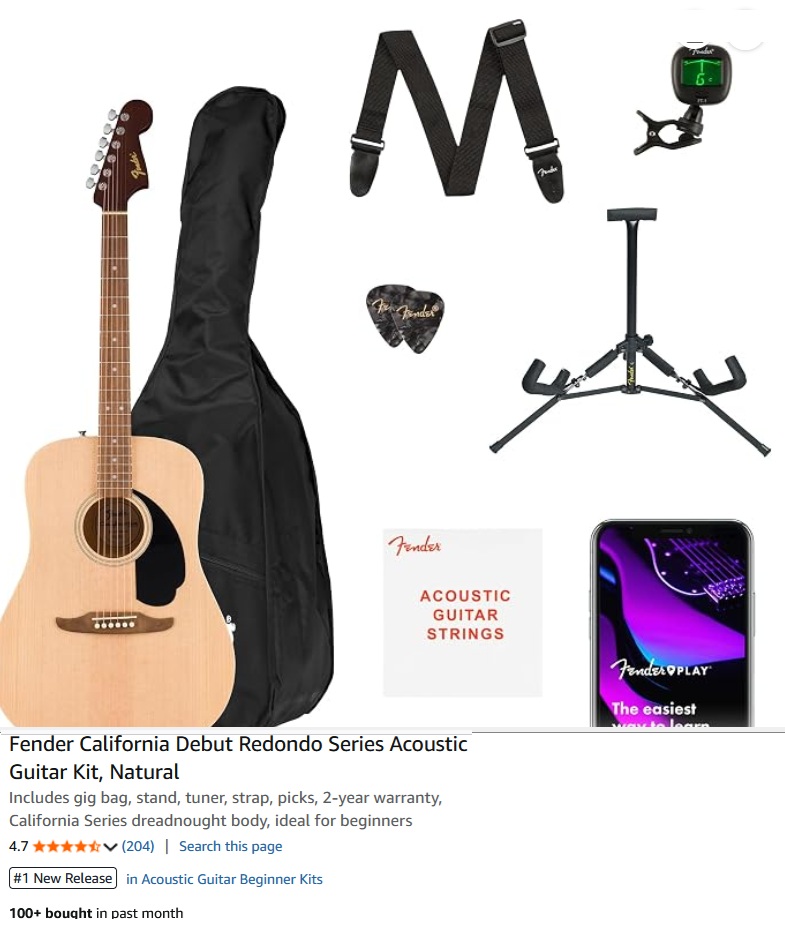
An acoustic guitar produces sound naturally through its hollow wooden body. When the strings vibrate, the sound resonates inside the body and projects through the sound hole. No amplifier is required for ordinary practice.
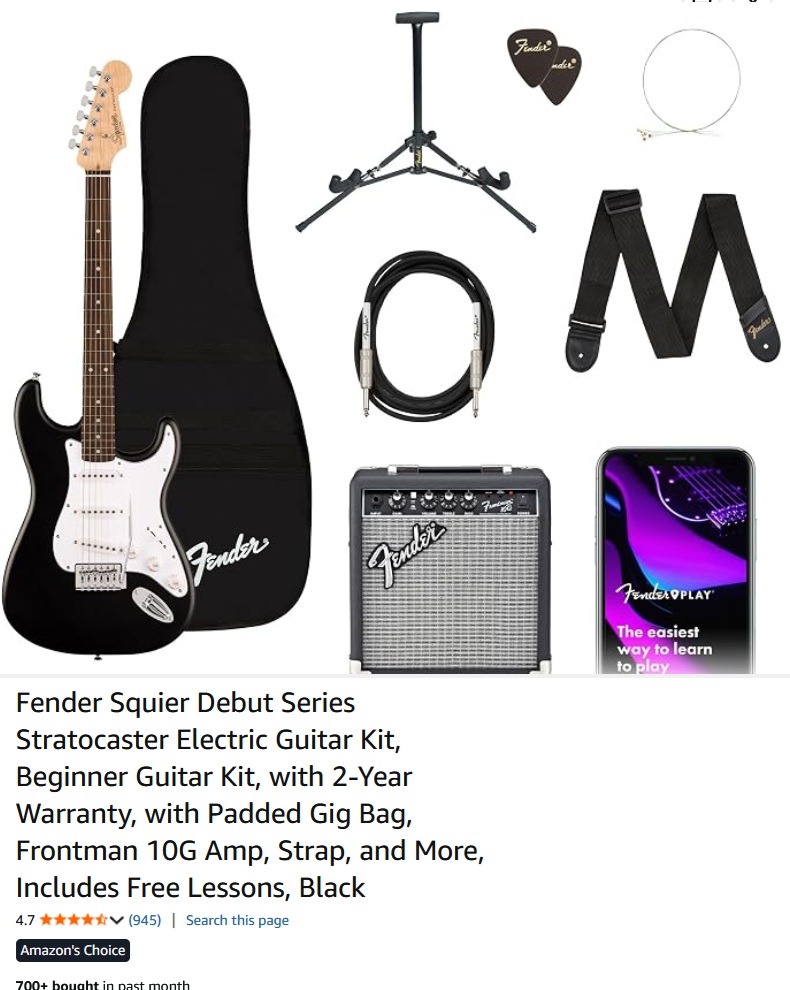
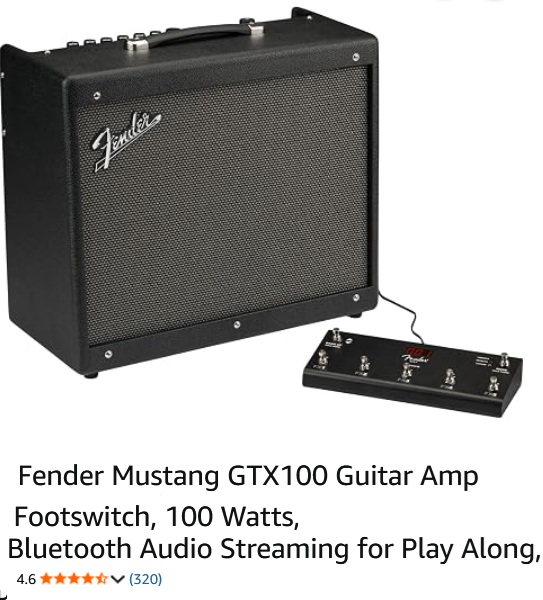
An electric guitar uses magnetic pickups to convert string vibrations into an electronic signal. That signal is sent through a cable to an amplifier, headphone unit, recording interface, or effects processor.
Although acoustic and electric guitars share the same basic tuning and many of the same chords, they differ in feel, sound, equipment requirements, and the styles of music they are commonly used to play.
Quick Acoustic vs. Electric Guitar Comparison
| Feature | Acoustic Guitar | Electric Guitar |
|---|---|---|
| Sound production | Hollow body creates sound naturally | Pickups send sound to an amplifier |
| Extra equipment | Usually none required | Amplifier, cable, or headphone device usually required |
| String feel | Often thicker and harder to press | Usually lighter and easier to press |
| Body size | Often larger and thicker | Usually thinner and more compact |
| Typical music styles | Folk, country, pop, singer-songwriter, bluegrass | Rock, blues, metal, funk, jazz, pop |
| Volume control | Limited without special equipment | Easy to adjust through an amplifier or headphones |
| Portability | Easy to carry and play almost anywhere | May require additional equipment |
| Beginner comfort | Can build strong fingers but may feel harder at first | Often easier on the fingertips and fretting hand |
Is Acoustic or Electric Guitar Easier for Beginners?
Electric guitars are often physically easier for beginners to play. They usually have lighter strings, narrower necks, and lower string height. These features can make it easier to press notes, form chords, bend strings, and move quickly around the fretboard.
Acoustic guitars may require more finger pressure, especially when fitted with medium or heavy steel strings. The larger body can also feel uncomfortable for smaller players.
However, acoustic guitars are simpler to pick up and begin playing because they do not require an amplifier, cable, or power source. A beginner can take the guitar out of its case, tune it, and start practicing.
Advantages of Starting With an Acoustic Guitar
Acoustic guitars remain popular with beginners because they are simple, portable, and suitable for learning basic chords and songs.
Acoustic Guitar Advantages
- No amplifier is required.
- It can be played almost anywhere.
- It works well for singing and songwriting.
- It encourages strong fretting-hand development.
- It is ideal for chord-based music.
- Setup is simple and fast.
- It is easy to bring to lessons, camps, or gatherings.
Acoustic Guitar Disadvantages
- Steel strings may feel hard on beginner fingertips.
- The body may feel large for children or smaller adults.
- String bending is more difficult.
- Volume cannot easily be reduced.
- High string action can make chords difficult.
- Some acoustic guitars require considerable hand strength.
Advantages of Starting With an Electric Guitar
Electric guitars are a strong choice for beginners who enjoy rock, blues, metal, jazz, or modern pop. Their lighter strings and slimmer bodies can make early practice more comfortable.
Electric Guitar Advantages
- Lighter strings are often easier to press.
- Thinner bodies may feel more comfortable.
- String bending and lead guitar techniques are easier.
- Volume can be controlled.
- Headphones can allow quiet practice.
- Many sounds can be created with amplifier settings and effects.
- It is well suited to riffs, solos, and power chords.
Electric Guitar Disadvantages
- An amplifier or practice device is usually needed.
- Cables and accessories increase the initial cost.
- Too many sound settings can distract beginners.
- It may be less convenient to carry and set up.
- Poor amplifier settings can make practice sound muddy.
- Beginners must learn basic equipment controls.
Which Guitar Costs More?
The price of either guitar type can vary widely. Beginner acoustic guitars are often less expensive overall because they require fewer accessories. Once you purchase the guitar, tuner, picks, and case, you may have everything needed to begin.
A beginner electric guitar may have a similar instrument price, but the total cost can be higher because you may also need:
- A practice amplifier
- An instrument cable
- Headphones
- A strap
- Additional picks
- An electronic tuner
- A stand or protective case
Starter packages can make electric guitars more affordable by including the guitar, amplifier, cable, strap, picks, and other accessories in one purchase.
Which Guitar Is Better for Different Music Styles?
Your favorite music should strongly influence your decision. A guitar that helps you play the songs you love will usually inspire more consistent practice.
Choose an Acoustic Guitar for These Styles
- Folk
- Country
- Bluegrass
- Acoustic pop
- Singer-songwriter music
- Traditional music
- Campfire songs
- Acoustic worship music
Choose an Electric Guitar for These Styles
- Rock
- Blues
- Metal
- Funk
- Jazz
- Punk
- Alternative music
- Lead guitar and solo-based music
Both instruments can be used across many genres. Acoustic guitars can play blues and rock, while electric guitars can produce clean sounds suitable for country, pop, and jazz.
Which Guitar Is Better for Learning Chords?
Both acoustic and electric guitars use the same standard chord shapes. A G major chord, C major chord, or E minor chord is formed in the same basic way on either instrument.
Acoustic guitars are commonly used to teach open chords because these chords sound full and complete without accompaniment. They are especially useful for strumming and singing.
Electric guitars can make chord practice physically easier because the strings are often lighter. Power chords may also be easier for beginners because they require only two or three notes.
Beginners interested in rhythm guitar, folk songs, or singing may prefer acoustic chord practice. Beginners interested in rock riffs or lead guitar may prefer electric guitar.
Which Guitar Is Better for Children?
The best guitar for a child depends on body size, hand strength, musical interests, and comfort. A full-size acoustic guitar may be too large for a younger player.
Smaller acoustic guitars are available in half-size, three-quarter-size, and travel-size models. These can be easier for children to hold.
A lightweight electric guitar with a slim neck may also work well, but the child will need an amplifier or headphone practice device.
Let the child sit with the guitar before buying it. They should be able to reach the first frets comfortably without raising their shoulder or twisting their wrist.
What About Classical Guitars?
Classical guitars are acoustic instruments fitted with nylon strings. They produce a warm, softer tone and are often used for classical, flamenco, folk, and fingerstyle music.
Nylon strings can feel gentler on beginner fingertips than steel acoustic strings. However, classical guitars usually have wider necks, which may require more stretching.
A classical guitar may be a good beginner choice when:
- You want to learn classical or fingerstyle music.
- You prefer the sound of nylon strings.
- You are concerned about steel-string discomfort.
- You plan to take formal classical guitar lessons.
A classical guitar may be less suitable if your main goal is electric rock, metal, or steel-string country music.
Acoustic Guitar Maintenance
Acoustic guitars are relatively simple to maintain, but their wooden bodies can be affected by temperature and humidity.
Basic acoustic guitar care includes:
- Wiping the strings after playing
- Changing old or corroded strings
- Keeping the guitar away from extreme heat or cold
- Using a case when transporting the instrument
- Maintaining appropriate humidity
- Checking the neck and string height periodically
Electric Guitar Maintenance
Electric guitars require many of the same basic care habits, along with occasional attention to electronic components and hardware.
Basic electric guitar care includes:
- Cleaning the strings and fretboard
- Checking cables for noise or damage
- Protecting pickups and control knobs
- Keeping the output jack tight
- Changing strings regularly
- Checking tuning stability and bridge adjustment
- Keeping the amplifier in a dry, ventilated location
Can You Practice Quietly?
Electric guitars are excellent for quiet practice when connected to a headphone-compatible amplifier, audio interface, or headphone guitar unit. Without amplification, the guitar produces only a soft string sound.
Acoustic guitars naturally produce more volume. You can strum gently, use a sound-hole cover on some models, or practice finger exercises without heavy strumming, but complete silence is not possible.
Electric guitar may be the better choice for apartment residents, late-night practice, or households where noise must be limited.
Do Acoustic Guitar Skills Transfer to Electric Guitar?
Yes. The notes, standard tuning, basic chords, scales, fretboard patterns, rhythm skills, and much of the music theory are transferable.
A player who learns acoustic guitar can later move to electric guitar without starting over. The same is true when moving from electric to acoustic.
Some techniques feel different. Electric guitar often uses string bending, vibrato, distortion, palm muting, and amplified lead playing. Acoustic guitar often emphasizes strong strumming, fingerpicking, open chords, and natural tone.
Common Beginner Buying Mistakes
Buying Based Only on Appearance
Color and design matter, but comfort, tuning stability, neck shape, and string height are more important for learning.
Ignoring the Guitar Setup
A guitar with high action can be painful and difficult to play. Ask whether the instrument has been inspected or professionally set up.
Choosing the Wrong Size
A guitar that is too large can create poor posture and wrist strain. Smaller players should compare full-size and reduced-size instruments.
Buying Too Much Equipment
Electric guitar beginners may be tempted to purchase many pedals and accessories. Start with a simple amplifier and a clean sound while learning the basics.
Choosing a Guitar for Someone Else’s Music
Do not choose acoustic guitar only because someone says beginners should start there. Choose the instrument that fits the music you hope to play.
Questions to Ask Before Buying Your First Guitar
- What type of music do I want to play?
- Do I want to sing while playing?
- Will I need to practice quietly?
- How much can I spend on the complete setup?
- Is the guitar comfortable against my body?
- Can I press the strings without excessive effort?
- Do I want a portable instrument with minimal equipment?
- Am I more interested in chords, riffs, solos, or fingerstyle playing?
- Does the guitar stay in tune?
- Has the instrument been properly set up?
Who Should Choose an Acoustic Guitar?
An acoustic guitar may be the best beginner guitar for you if:
- You enjoy folk, country, acoustic pop, or singer-songwriter music.
- You want to sing while playing chords.
- You want a guitar that requires little additional equipment.
- You plan to play at gatherings, outdoors, or while traveling.
- You prefer a natural wooden sound.
- You want a simple practice setup.
Who Should Choose an Electric Guitar?
An electric guitar may be the best beginner guitar for you if:
- You enjoy rock, blues, metal, funk, jazz, or lead guitar.
- You want lighter strings and easier fretting.
- You need to practice quietly with headphones.
- You want to explore different tones and effects.
- You are interested in riffs, solos, and power chords.
- You prefer a thinner guitar body.
Frequently Asked Questions
Should beginners start with acoustic or electric guitar?
Beginners can start successfully with either type. Acoustic guitar offers a simpler setup, while electric guitar often feels easier to press and hold. Choose based on comfort and musical preference.
Is electric guitar easier than acoustic guitar?
Electric guitar is often physically easier because it usually has lighter strings, lower action, and a thinner body. However, it requires additional equipment.
Is acoustic guitar cheaper than electric guitar?
Acoustic guitar is often less expensive as a complete beginner setup because it does not require an amplifier or cable. Prices vary depending on quality and accessories.
Can I learn electric guitar without an amplifier?
You can practice finger placement and chord shapes without an amplifier, but amplification is recommended so you can hear tone, sustain, string noise, and technique clearly.
Can I play acoustic songs on an electric guitar?
Yes. The same basic chords and notes can be played on electric guitar. The sound will be different, but the song structure remains usable.
Can I play rock music on an acoustic guitar?
Yes. Many rock songs can be adapted for acoustic guitar using open chords, simplified riffs, or unplugged arrangements.
Which guitar is best for small hands?
A guitar with a slim neck, shorter scale length, and comfortable body size may help players with small hands. Many electric guitars and smaller acoustic models meet these needs.
Should a child learn on acoustic or electric guitar?
The child should learn on the guitar that fits comfortably and matches the music they enjoy. A three-quarter-size acoustic or lightweight electric guitar may be appropriate.
Final Verdict: Acoustic or Electric Guitar?
There is no single best guitar for every beginner. Acoustic guitar offers convenience, portability, and a natural sound. Electric guitar offers lighter strings, adjustable volume, and access to a wide range of tones.
Choose an acoustic guitar if you want to play chords, sing songs, travel easily, and avoid extra equipment. Choose an electric guitar if you want to play rock, blues, metal, lead guitar, or practice quietly with headphones.
Most importantly, choose a guitar that makes you excited to practice. A comfortable instrument connected to music you love will help you progress faster than a guitar selected only because someone else recommended it.
Guitar Academies Related Articles
- 50 Essential Guitar Chords Every Player Should Master
- Acoustic vs. Electric Guitar: Which Is Best for Beginners?
- Common Beginner Guitar Mistakes and How to Avoid Them
- Fingerstyle Guitar for Beginners: Easy Techniques to Get Started
- From Beginner to Performer: Your First Year of Guitar Success
- Guitar Maintenance 101: Keep Your Instrument Playing Like New
- Guitar Scales Explained: The Foundation of Great Soloing
- How to Learn Guitar Fast: A Beginner’s Step-by-Step Guide to Playing Your First Songs
- How to Read Guitar Tabs: A Complete Beginner’s Guide
- The Ultimate Guitar Practice Routine: Improve in 30 Minutes a Day