

Beginner Guitar Guide by GuitarAcademies.com
Learning guitar does not have to feel confusing or overwhelming. With the right guitar, a simple practice plan, and a focus on essential skills, beginners can start playing recognizable songs much sooner than they may expect.
This step-by-step guide explains how to learn guitar fast without skipping the basic techniques that build long-term confidence. You will learn how to hold the instrument, tune the strings, play beginner chords, switch between chords, follow rhythm patterns, and practice complete songs.
How Long Does It Take to Learn Guitar?
Most beginners can learn a few basic chords and play part of a simple song within their first several practice sessions. Becoming comfortable with chord changes, rhythm, and complete songs usually requires several weeks or months of consistent practice.
The speed of your progress depends on your practice habits, musical goals, instrument quality, and willingness to repeat difficult movements. Practicing for 20 to 30 minutes most days is often more effective than practicing for several hours only once a week.
Step 1: Choose the Right Guitar
Your first guitar should feel comfortable, stay in tune, and match the type of music you want to play. Beginners commonly start with an acoustic guitar, classical guitar, or electric guitar.
Acoustic Guitar
An acoustic guitar is a convenient choice because it does not require an amplifier. It works well for folk, country, pop, singer-songwriter music, and basic chord practice.
Electric Guitar
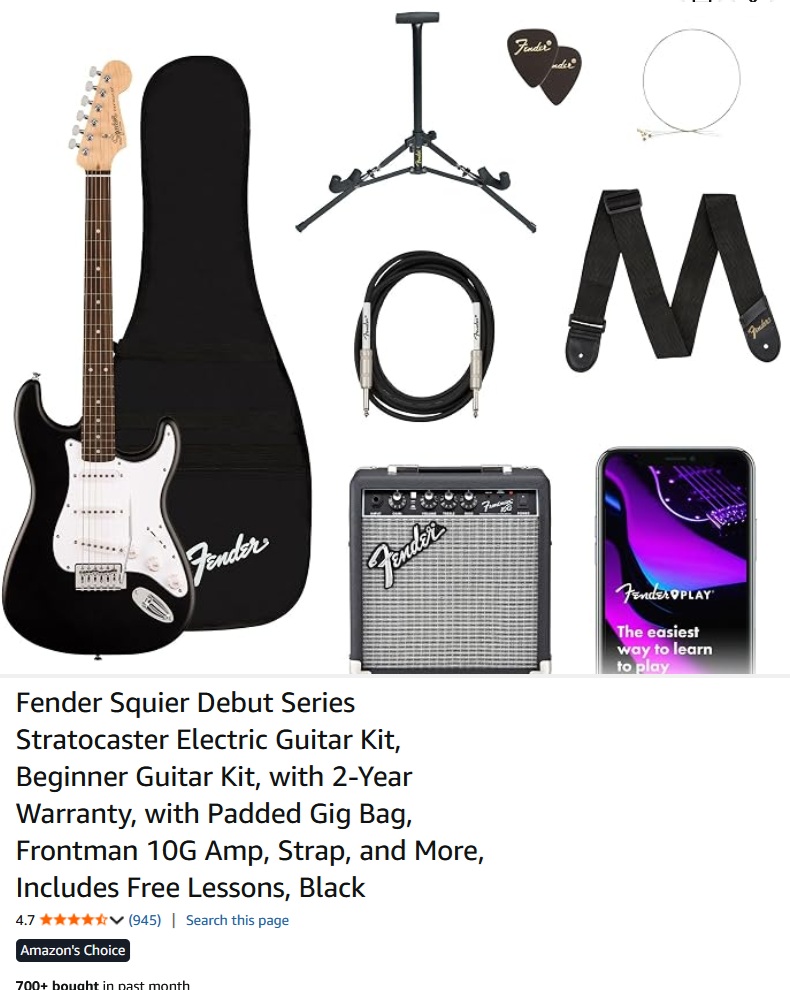
An electric guitar usually has lighter strings and can feel easier on a beginner’s fingers. It requires an amplifier or headphone-compatible practice device, but it is a good choice for rock, blues, metal, and lead guitar.
Classical Guitar
A classical guitar uses nylon strings, which can feel softer than steel strings. Its wider neck may be comfortable for fingerstyle playing, although some beginners find the extra width challenging.
| Guitar Type | Best For | Beginner Advantage |
|---|---|---|
| Acoustic | Pop, folk, country, songwriting | No amplifier needed |
| Electric | Rock, blues, metal, lead guitar | Lighter strings and lower action |
| Classical | Classical music and fingerstyle | Softer nylon strings |
Before buying a guitar, check whether the strings sit comfortably above the fretboard. Strings that are too high can make chords unnecessarily difficult. A music store or guitar technician can adjust the instrument if needed.
Step 2: Learn the Main Parts of the Guitar
Understanding the basic parts of the guitar makes lessons easier to follow. The most important parts for beginners include:
- Headstock: The top section that holds the tuning machines.
- Tuning machines: The knobs used to raise or lower string pitch.
- Nut: The small strip that guides the strings onto the neck.
- Neck: The long section where the frets are located.
- Fretboard: The surface where you press the strings.
- Frets: The metal strips that divide musical notes.
- Body: The large section that produces or supports the sound.
- Bridge: The part that anchors the strings to the body.
- Sound hole: The opening on most acoustic guitars.
- Pickups: The electronic components that capture sound on electric guitars.
Step 3: Learn the Guitar String Names
A standard six-string guitar is usually tuned from the thickest string to the thinnest string as follows:
- Sixth string: E
- Fifth string: A
- Fourth string: D
- Third string: G
- Second string: B
- First string: E
The thickest string produces the lowest pitch, while the thinnest string produces the highest pitch.
A common memory phrase for the strings from thickest to thinnest is:
Eddie Ate Dynamite, Good Bye Eddie.
Step 4: Tune Your Guitar Before Every Practice Session
A guitar that is out of tune can make correct chords sound wrong. Tuning should be one of the first habits every beginner develops.
You can tune your guitar with:
- A clip-on electronic tuner
- A pedal tuner
- A smartphone tuning application
- A built-in guitar tuner
- An online guitar tuner
Pluck one string at a time and adjust its tuning machine slowly. If the pitch is too low, tighten the string slightly. If the pitch is too high, loosen it slightly.
Step 5: Hold the Guitar Correctly
Good posture helps you play longer, move your fingers more easily, and reduce unnecessary tension.
Sitting Position
- Sit near the front of a stable chair.
- Keep your back upright but relaxed.
- Rest the guitar comfortably against your body.
- Keep the neck angled slightly upward.
- Relax your shoulders.
- Avoid squeezing the neck with excessive force.
Standing Position
Use a guitar strap and adjust it so the guitar remains at a comfortable height. The instrument should not hang so low that your wrist bends sharply while forming chords.
Step 6: Learn How to Hold a Guitar Pick
Place the pick between your thumb and the side of your index finger. Only a small portion of the pointed end should extend beyond your fingers.
Hold the pick firmly enough that it does not fall, but loosely enough that your hand remains relaxed. A tight grip can make strumming sound harsh and can cause fatigue.
Practice slowly brushing the pick across all six strings. Then practice alternating downward and upward strokes.
Step 7: Build Finger Strength With Simple Exercises
Beginner guitarists often struggle because their fingertips are not yet accustomed to pressing strings. This improves naturally with regular practice.
Try this basic finger exercise:
- Place your first finger on the first fret of the sixth string.
- Place your second finger on the second fret.
- Place your third finger on the third fret.
- Place your fourth finger on the fourth fret.
- Play each note slowly and clearly.
- Repeat the pattern on each string.
Keep your fingers curved and place each fingertip close behind the fret. This position usually creates a cleaner sound with less pressure.
Step 8: Learn Your First Beginner Guitar Chords
Open chords are among the most useful skills for a new guitarist. Many popular songs can be played with only three or four chords.
Good beginner chords include:
- G major
- C major
- D major
- E major
- A major
- E minor
- A minor
- D minor
Start With E Minor
E minor is often one of the easiest beginner chords. It requires only two fingers and allows all six strings to be played.
Add G, C, and D
The chords G, C, and D appear in thousands of songs. Learning these three chords gives beginners access to a wide range of simple chord progressions.
Step 9: Practice Switching Between Chords
Learning individual chord shapes is only the beginning. To play songs, you must be able to move smoothly from one chord to another.
Practice two-chord combinations such as:
- G to C
- C to D
- G to D
- E minor to C
- A to D
- E to A
Set a timer for one minute and count how many clean chord changes you can make. Do not rush. Accurate movement is more important than speed.
As your accuracy improves, gradually increase your pace.
Step 10: Learn a Basic Strumming Pattern
Rhythm turns chords into music. Begin with steady downward strums while counting:
One, two, three, four.
Play one downward strum on each count. Once that feels comfortable, try this common pattern:
Down, down, up, up, down, up.
Keep your strumming wrist relaxed and allow the hand to move continuously. Even when the pick does not touch the strings, your hand can continue following the beat.
Step 11: Use a Metronome
A metronome produces a steady click that helps you develop timing. Start at a slow tempo, such as 60 beats per minute.
Play one chord on each click. Then practice changing chords every four clicks. When you can play accurately without stopping, increase the tempo slightly.
Slow metronome practice is one of the fastest ways to improve rhythm because it reveals hesitation and uneven timing.
Step 12: Learn Easy Guitar Songs
Songs give your practice a clear purpose. Choose beginner songs with a small number of chords, a steady rhythm, and a comfortable tempo.
Look for songs that use:
- Two to four open chords
- Slow or moderate tempos
- Repeated chord progressions
- Simple strumming patterns
- Few or no barre chords
Do not try to play the entire song immediately. Divide it into small sections such as the introduction, verse, chorus, and bridge.
Practice each section slowly before connecting the sections together.
A 30-Minute Beginner Guitar Practice Routine
A structured routine prevents wasted practice time. The following schedule balances tuning, technique, chords, rhythm, and songs.
Minutes 1–3: Tune the Guitar
Tune all six strings and check your sitting or standing posture.
Minutes 4–8: Warm Up
Practice a simple finger exercise using all four fretting-hand fingers.
Minutes 9–15: Practice Chords
Review three or four chord shapes. Play each string separately and correct muted notes.
Minutes 16–20: Practice Chord Changes
Switch between two chords slowly. Use a metronome when possible.
Minutes 21–25: Practice Strumming
Work on steady downstrokes and one simple down-and-up pattern.
Minutes 26–30: Play a Song
Practice one section of a beginner-friendly song and end the session with something enjoyable.
How to Make Your Guitar Practice More Effective
Practice Frequently
Short daily sessions help your brain and hands remember movements better than occasional long sessions.
Practice Slowly
Speed should develop after accuracy. Playing slowly gives you time to observe finger placement, rhythm, and tension.
Use Small Goals
Instead of saying, “I want to become a good guitarist,” use measurable goals such as:
- Learn three chords this week.
- Make 20 clean chord changes in one minute.
- Play one verse without stopping.
- Practice five days this week.
Record Yourself
A phone recording can reveal timing problems, muted strings, and pauses that you may not notice while playing.
Repeat Difficult Sections
Avoid restarting a song from the beginning every time you make a mistake. Isolate the difficult measure or chord change and repeat it slowly.
Common Beginner Guitar Mistakes
Pressing Too Hard
Many beginners squeeze the neck and strings with more force than necessary. Use enough pressure to create a clean note, but keep your hand relaxed.
Ignoring Rhythm
Correct chords can still sound wrong when the timing is uneven. Spend part of every practice session working with a steady beat.
Trying to Learn Too Many Songs
Starting many songs without finishing any of them can slow your progress. Choose one or two beginner songs and work toward playing them completely.
Skipping Tuning
Practicing on an out-of-tune guitar trains your ears to accept incorrect pitches. Tune before every session.
Playing Through Pain
Mild fingertip tenderness is common when beginning guitar. Sharp pain in the wrist, hand, arm, shoulder, or back is a reason to stop and review your posture and technique.
Should Beginners Learn Guitar Tabs or Standard Music Notation?
Guitar tablature, often called guitar tab, shows which strings and frets to play. It is easy for beginners to understand and is commonly used for riffs, melodies, solos, and chord-based songs.
Standard music notation provides more detailed rhythm and pitch information. It is especially useful for classical guitar, professional music study, and playing with other musicians.
Beginners can start with chord diagrams and guitar tabs while gradually learning rhythm notation and basic music theory.
Do You Need Guitar Lessons?
Some guitarists learn successfully through books, videos, online guitar courses, and independent practice. Others progress faster with a teacher who can correct posture, finger placement, rhythm, and technique.
Guitar lessons may be especially useful when:
- You feel unsure about how to begin.
- Your chords continue to buzz or sound muted.
- You struggle to keep a steady rhythm.
- You want a customized practice plan.
- You are preparing for a performance or audition.
- You want to learn a specific musical style.
A combination of guided lessons and independent practice can provide structure while allowing you to explore music you enjoy.
How to Stay Motivated While Learning Guitar
Guitar progress is rarely perfectly smooth. Some skills improve quickly, while others take weeks of repetition.
Stay motivated by:
- Choosing songs you genuinely enjoy
- Tracking your daily practice
- Recording monthly progress videos
- Playing with another beginner
- Celebrating small improvements
- Keeping your guitar visible and accessible
- Setting a date to perform for friends or family
Remember that every experienced guitarist once struggled with basic chords, sore fingertips, and slow chord changes.
Frequently Asked Questions About Learning Guitar
Can I teach myself guitar?
Yes. Many people learn guitar through online lessons, chord charts, instructional videos, books, and consistent practice. Feedback from a teacher can still help correct mistakes sooner.
How many minutes should a beginner practice guitar?
Twenty to thirty focused minutes per day is a practical starting point. Even 10 to 15 minutes can be useful when practiced consistently.
What are the easiest guitar chords to learn?
E minor, A minor, D major, A major, E major, C major, and G major are common beginner chords.
Why do my guitar chords buzz?
Buzzing may occur when a finger is too far from the fret, the string is not pressed firmly enough, another finger touches the string, or the guitar needs adjustment.
How long until I can play my first song?
Some beginners can play a simplified two- or three-chord song within a few days. Playing smoothly and in rhythm may take several weeks of practice.
Are sore fingertips normal?
Mild fingertip soreness is common at first. Practice in short sessions and allow your fingers to rest. Stop if you experience sharp or persistent pain.
Is acoustic or electric guitar easier?
Electric guitars often have lighter strings and may be easier to press. Acoustic guitars require less equipment and are convenient for chord-based practice. The best choice depends on your musical interests.
Your Beginner Guitar Roadmap
To learn guitar as quickly and effectively as possible, follow this order:
- Choose a comfortable guitar.
- Learn the parts of the instrument.
- Memorize the string names.
- Tune before every practice session.
- Develop good posture and pick technique.
- Build finger strength with simple exercises.
- Learn several open chords.
- Practice switching between chords.
- Develop steady strumming.
- Use a metronome.
- Learn complete beginner songs.
- Practice consistently and track your progress.
Final Thoughts
The fastest way to learn guitar is not to rush. It is to practice the correct skills in the correct order. Beginners who tune their instruments, learn a few essential chords, practice rhythm, and play simple songs can build a strong foundation without feeling overwhelmed.
Start with a manageable daily routine, choose music that inspires you, and focus on one small improvement at a time. With regular practice, your fingers will become stronger, your chord changes will become smoother, and the songs that once seemed difficult will begin to feel natural.